
University of Minnesota-Twin Cities
University of Minnesota-Twin Cities overview
The University of Minnesota - Twin Cities is a research university founded in 1851. It is one of the oldest and most prestigious institutions of higher education in the Big Ten Conference. As the flagship campus of the University of Minnesota system, it ranks among America's leading research universities. It also places consistently among the top public institutions in the country.
The university began as a preparatory school and officially opened to students in 1867. Today it offers a broad range of academic programs across many disciplines, with particular strengths in engineering, medicine, law, and agriculture.
The Twin Cities campus is known for groundbreaking achievements such as the invention of the pacemaker. Others include the first successful open-heart surgery, performed by Dr. C. Walton Lillehei, and critical advances in organ transplantation. Throughout its history, the University of Minnesota has been home to distinguished faculty and alumni who made significant contributions to global knowledge and innovation.
They include Nobel laureates such as Norman Borlaug and the economists Milton Friedman and George Stigler. Borlaug is known for agricultural research that sparked the Green Revolution. Former Vice Presidents Hubert H. Humphrey and Walter Mondale are also among its notable alumni, along with the legendary musician Bob Dylan.
About University of Minnesota-Twin Cities
The University of Minnesota - Twin Cities is a research university founded in 1851. It is one of the oldest and most prestigious institutions of higher education in the Big Ten Conference. As the flagship campus of the University of Minnesota system, it ranks among America's leading research universities. It also places consistently among the top public institutions in the country.
The university began as a preparatory school and officially opened to students in 1867. Today it offers a broad range of academic programs across many disciplines, with particular strengths in engineering, medicine, law, and agriculture.
The Twin Cities campus is known for groundbreaking achievements such as the invention of the pacemaker. Others include the first successful open-heart surgery, performed by Dr. C. Walton Lillehei, and critical advances in organ transplantation. Throughout its history, the University of Minnesota has been home to distinguished faculty and alumni who made significant contributions to global knowledge and innovation.
They include Nobel laureates such as Norman Borlaug and the economists Milton Friedman and George Stigler. Borlaug is known for agricultural research that sparked the Green Revolution. Former Vice Presidents Hubert H. Humphrey and Walter Mondale are also among its notable alumni, along with the legendary musician Bob Dylan.
University of Minnesota-Twin Cities faculties and programs
Agricultural and Food Business Management
Bioproducts and Biosystems Engineering
Human Physiology
Human Resources and Industrial Relations
Individually Designed Interdepartmental
Industrial and Systems Engineering
Information Technology Infrastructure
Integrated Degree Program
Interior Design
International Business
University of Minnesota-Twin Cities scholarships and financial aid
The University of Minnesota offers scholarship opportunities to international students. Keep in mind, though, that these programs have limited funding and limited places, that awards are granted based on financial need and academic merit, and that admission standards are high. If you are interested in applying for scholarship programs at the University of Minnesota, you can find information about the relevant programs at the link below.
University of Minnesota-Twin Cities Exam Requirements
Submitting at least one of the exams below with the required score is a prerequisite for application. The score threshold may vary by program.
How to get into University of Minnesota-Twin Cities
If you are an international student applying to an undergraduate program at the University of Minnesota, you must meet the following admission requirements:
- Completion of 12 Years of Basic Education
- 4-Year High School Diploma
- High GPA
- Official transcripts listing every course you took in high school and the grades you received
- SAT or ACT Score
- English Proficiency Certification
- English proficiency certificate earned through a qualifying exam such as IELTS or TOEFL iBT
- Personal Statement & Essay
Academic qualifications earned through programs such as GCE A-Level, International Baccalaureate, and Advanced Placement are not enough on their own for direct admission. If you study in one of these programs, you may request course credit for relevant coursework.
If you are applying to a graduate program at the University of Minnesota, you must meet the following admission requirements:
- 4-Year Bachelor's Degree Diploma
- High GPA
- Official transcripts listing every course you took as an undergraduate and the grades you received
- Relevant Work Experience
- English Proficiency Certification
- English proficiency certificate earned through a qualifying exam such as IELTS or TOEFL iBT
- A GRE/GMAT score may be required, depending on the admission requirements of the program.
Application Deadlines
* These dates are subject to change. Get in touch with our Dream Uni advisors to learn the up-to-date deadlines and all the details about the University of Minnesota-Twin Cities application process.
Take a closer look at University of Minnesota-Twin Cities
The University of Minnesota - Twin Cities has two main campuses, in the cities of Minneapolis and Saint Paul, Minnesota. The larger Minneapolis campus is divided into two distinct areas: the East Bank and the West Bank.
The East Bank holds the historic Northrop Mall, a central grassy corridor. Iconic buildings such as Northrop Auditorium, Walter Library, and Coffman Memorial Union flank it. The university's College of Liberal Arts, College of Science and Engineering, and Carlson School of Management are all in this area.
The West Bank sits just across the Washington Avenue Bridge and is known for its vibrant cultural diversity. It houses the Humphrey School of Public Affairs, the Law School, and performing arts venues such as Rarig Center and Ted Mann Concert Hall.
About three miles to the east, the Saint Paul campus offers more green space, agricultural facilities, and a quieter environment. It is home to programs in agricultural sciences, veterinary medicine, food sciences, environmental sciences, and natural resources. This campus houses leading institutions such as the College of Food, Agricultural and Natural Resource Sciences (CFANS) and the College of Veterinary Medicine.
Key facilities include extensive research farms, greenhouses, the Minnesota Landscape Arboretum, and specialized centers dedicated to animal health and sustainable agriculture. A free shuttle service run by the university connects the Minneapolis and Saint Paul campuses efficiently. It gives students and faculty easy access to resources and programs at both locations.
You have countless opportunities to get involved through clubs. One is the Minnesota Student Association (MSA), the undergraduate student government that represents student interests. Other groups include the International Student Association and the Black Student Union.
The university also regularly hosts events such as Homecoming, Spring Jam — a popular annual music festival — and the Minnesota State Fair. The fair is held each August near the Saint Paul campus. It brings together thousands of students and community members for food, entertainment, and tradition.
Sports play a significant role in campus culture. The Minnesota Golden Gophers compete in NCAA Division I athletics as part of the Big Ten Conference. Popular sports include football, basketball, hockey, volleyball, and wrestling. Students cheer on their teams passionately at venues like Huntington Bank Stadium, Williams Arena, and 3M Arena at Mariucci.
Campus recreation centers and intramural sports programs also give you the chance to take part in a variety of athletic and fitness activities. They promote wellness and community engagement throughout your college experience.
The University of Minnesota has an extensive alumni network. Its members have achieved outstanding success across a wide range of fields. Notable alumni of the university include:
- Walter Mondale
- Bob Dylan
- Hubert Humphrey
- Henry Fonda
- Jessica Lange
- Herb Brooks
- Tony Dungy
- Alan Page
- T.R. Knight
among others.
University of Minnesota-Twin Cities Frequently Asked Questions
University of Minnesota-Twin Cities Location
Minneapolis, MN, United States
University of Minnesota-Twin Cities Contact
University of Minnesota-Twin Cities
Take a Closer Look
How to Get Into University of Minnesota-Twin Cities
In your first meeting with a Dream Uni advisor, your academic background, goals, and expectations are analyzed in detail.
By assessing your English level and academic grades, your eligibility for the universities and colleges Dream Uni partners with is determined.
The application process is managed meticulously by our professional team, and your acceptance letter is delivered to you.
Why University of Minnesota-Twin Cities?
Other Universities in United States


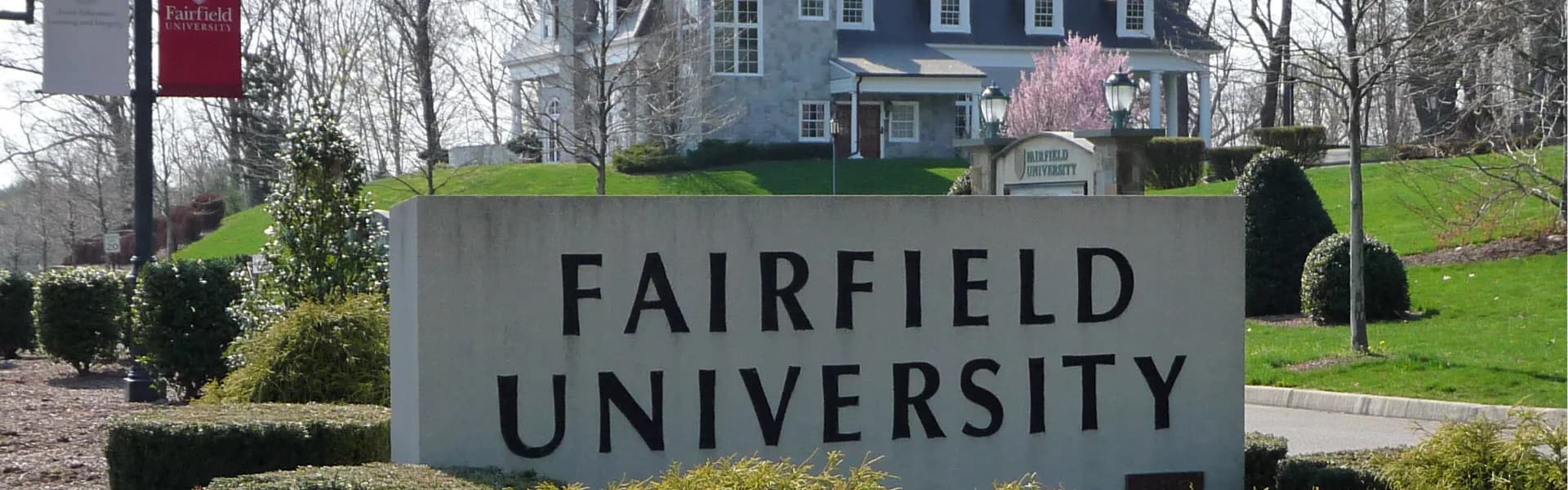
Fairfield University


Hult International Business School


Get in touch with us
Fill out the form and a Dream Uni advisor will reach out to schedule your consultation.